Transit-Oriented Development: A Path to Sustainable Cities
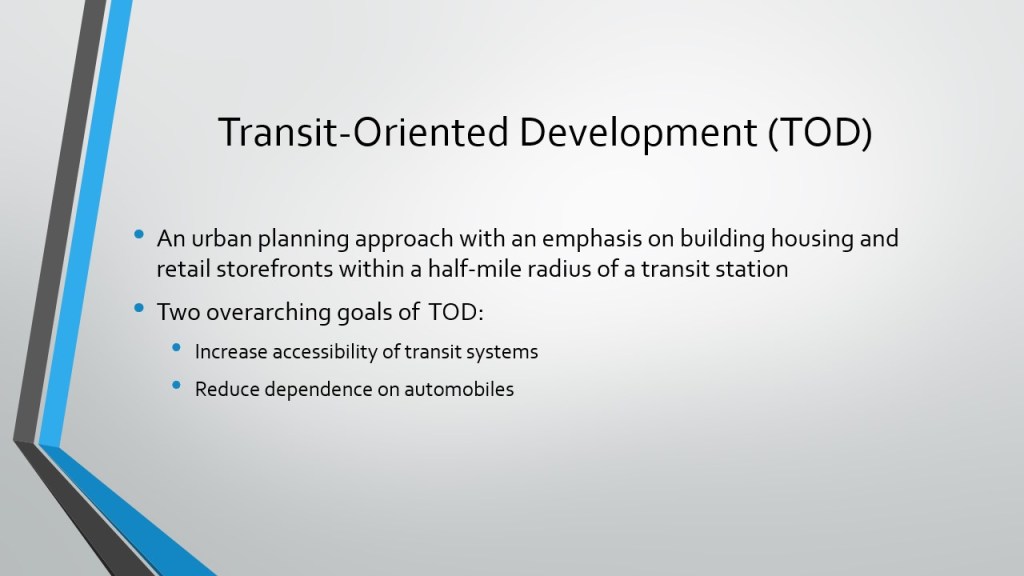
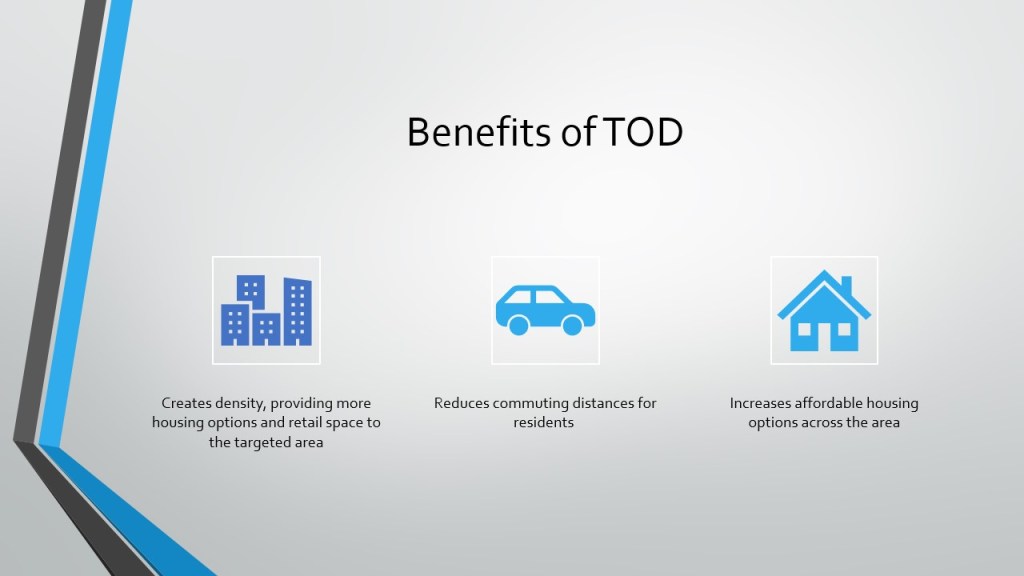
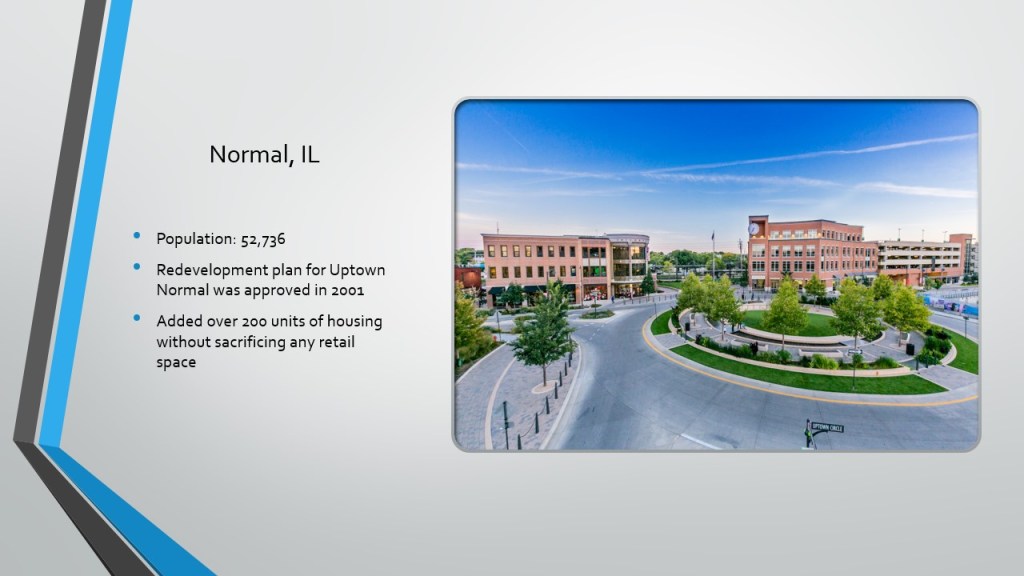
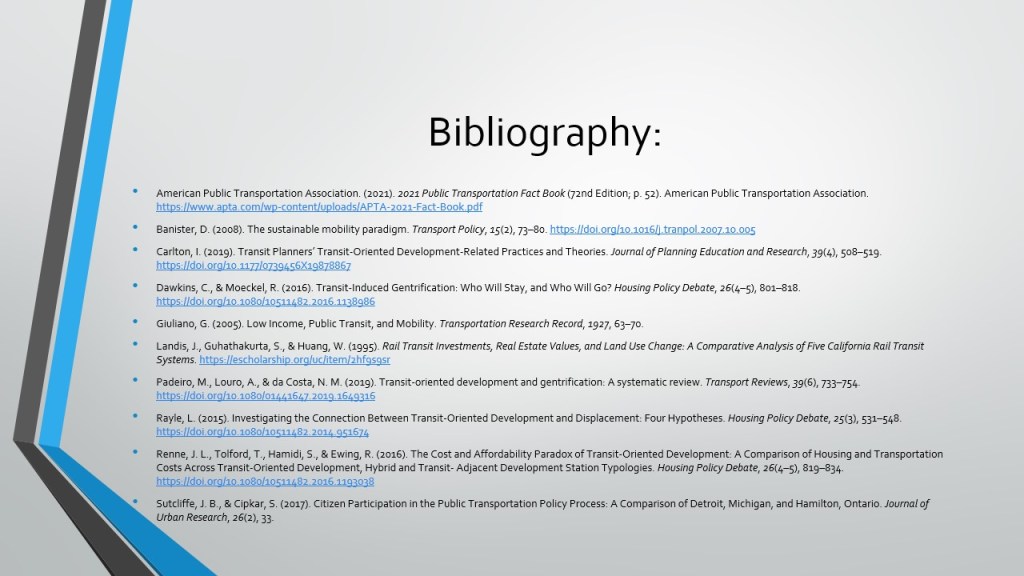
Transit-oriented development is often seen as a new urbanist planning concept that only caters to big city life. In this presentation, I will explore how the concepts and best practices of transit-oriented development can benefit cities of all sizes to ensure mobility and accessibility to all citizens. Transit-oriented development is an urban planning strategy to create density by placing housing, business, and entertainment opportunities within a walkable distance from transit hubs. While much of the previous literature is focused on the best practices of large urban cities, this model is adaptable to cities and towns of all sizes. Through case studies of small cities that have adopted transit-oriented development principles, it will be shown that this planning strategy can create opportunity in small cities.
Presented At
Conference on the Small City & Regional Community
Presentation Date
March 2022
Time is Money: The Effect of Legislative Professionalism on Time Spent Fundraising
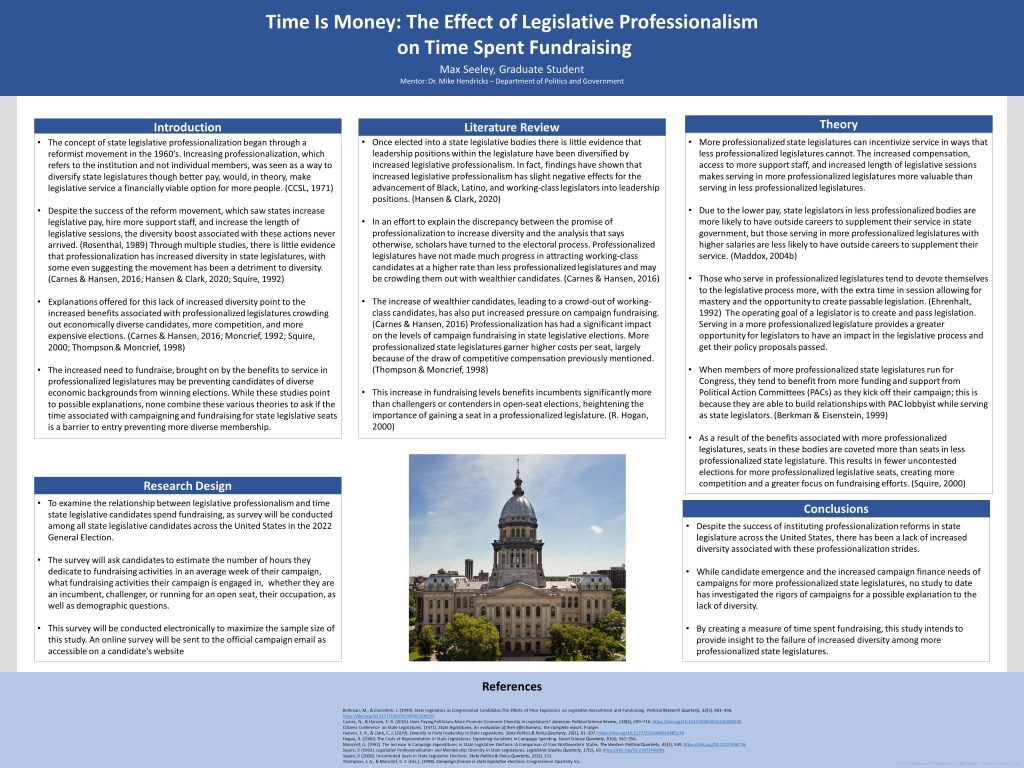
Despite the promise to increase the diversity of state legislatures through better pay, increased support staff, and longer legislative sessions, professionalization has failed to increase member diversity. However, these professionalization incentives to increase member diversity have unintentionally led to more electoral competition, an increase in the number of candidates, and higher campaign costs, which have ironically crowded out candidates from underrepresented backgrounds. Since candidates for seats in professionalized legislatures face more competition and a greater need for campaign funds, I argue they will need to dedicate more time to fundraising operations. This study examines my hypothesis by surveying 533 state legislators across three states about their campaign activities’ time commitments and restraints. I expect that candidates running for seats in more professionalized legislatures will dedicate more time to fundraising as a function of campaigning. The expected findings can potentially advance our understanding of the unwritten requirements placed on candidates for state legislative seats and the barriers to entry created by those requirements.
Presented At
Illinois State University Research Symposium
Presentation Date
April 2022
 Max Seeley